

Discover our Berjaya Waterfront Johor Bahru blog – your gateway to captivating destinations, travel tips and remarkable adventures. Discover the best places to travel!
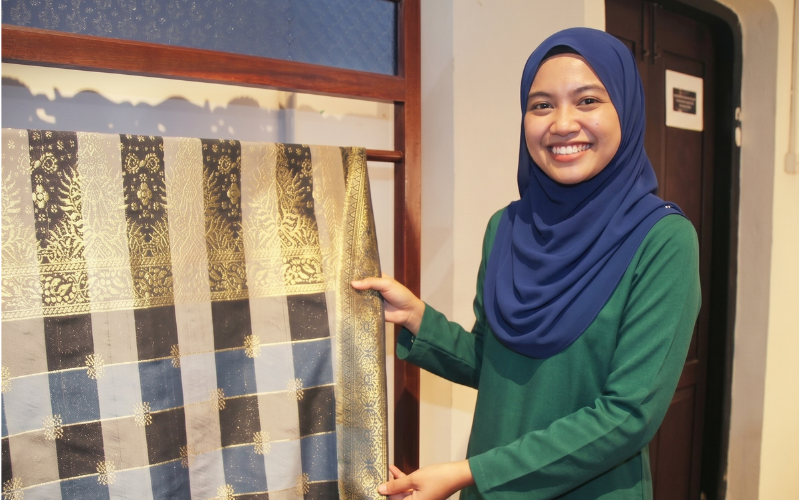
When people think of Johor’s heritage, what comes to mind are grand palaces, royal traditions, and iconic dishes in historic towns.
But woven into the state’s history is another treasure that many visitors have never heard of — Kain Benang Johor.
Also known as Tenun Johor, this luxurious woven textile is more than just fabric. It’s an expression of Johor’s royal heritage, cultural identity, and master craftsmanship. For generations, it adorned royalty, symbolised prestige, and reflected the prosperity of the kingdom.
Like many traditional crafts, however, Kain Benang Johor nearly disappeared into the fabric of time.
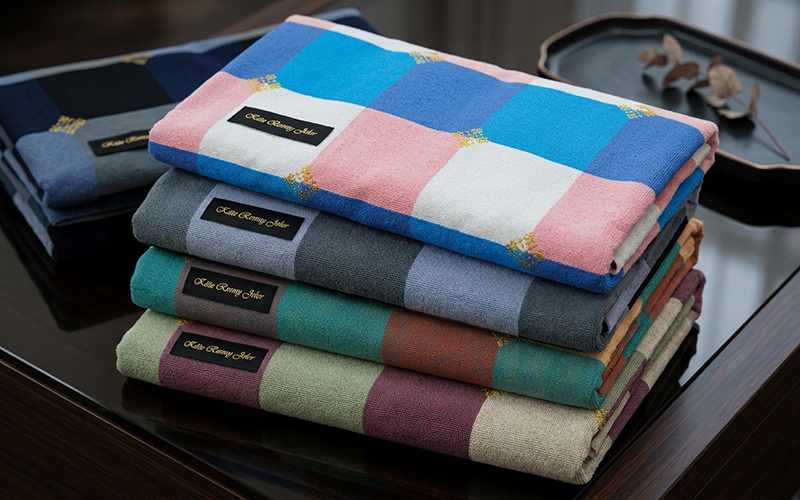
The roots of Tenun Johor stretch back to the old Johor-Riau Empire. Trading ships introduced fine silk threads and gold zari, known locally as benang emas, to the region.
These materials eventually found their way into local weaving traditions, creating luxurious textiles that made their way to the rich and the royal.
However, the majority of its development can be traced to the reign of Sultan Abu Bakar, the Father of Modern Johor. During the late 19th century, the Sultan and his consort, Sultanah Fatimah, actively encouraged the growth of local arts, culture, and craftsmanship.
Under their patronage, traditional weaving techniques evolved into a distinctive Johorean textile tradition that blended Malay artistry with influences brought by international trade.
In fact, it’s most closely associated with clothing all Malaysians are familiar with today…
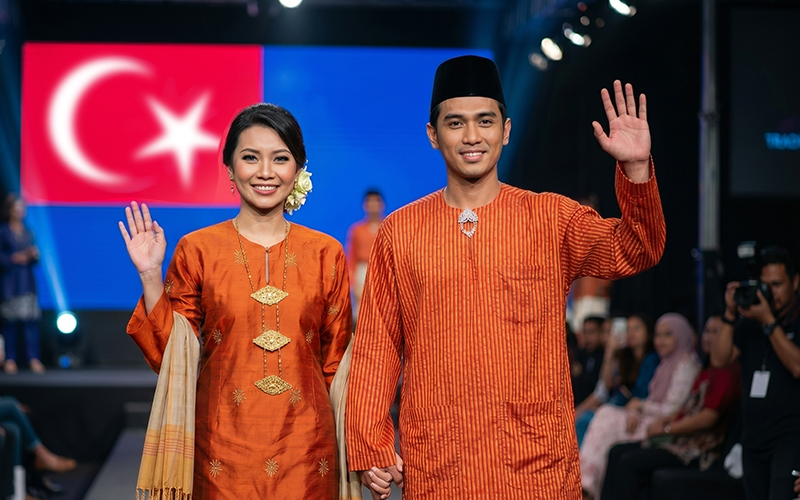
Baju Melayu Teluk Belanga is one of the most recognisable traditional garments in Malaysia, and is Johor’s official traditional dress. And that’s because its design was also largely driven by Sultan Abu Bakar.
Read: Teluk Belanga - The Baju Melayu Designed by a Johor Sultan
As a result, high-quality Tenun Johor was often chosen as the fabric for Teluk Belanga. The pairing became a symbol of refinement and status, helping establish Kain Benang Johor as one of the most prestigious textiles in the state.
Unlike the highly intricate and densely decorated Songket styles, Tenun Johor often favours a more balanced aesthetic, combining elegant geometric symmetry with motifs inspired by Johor’s natural environment and history such as black pepper, gambir, and local flowers.
Kain Benang Johor faced an increasingly difficult future throughout the 20th century.
As industrial textiles became more common and traditional weaving became less economically viable, fewer young people entered the craft. As master weavers aged, the survival of the craft itself was uncertain. Without intervention, an important part of Johor’s cultural heritage risked disappearing forever.
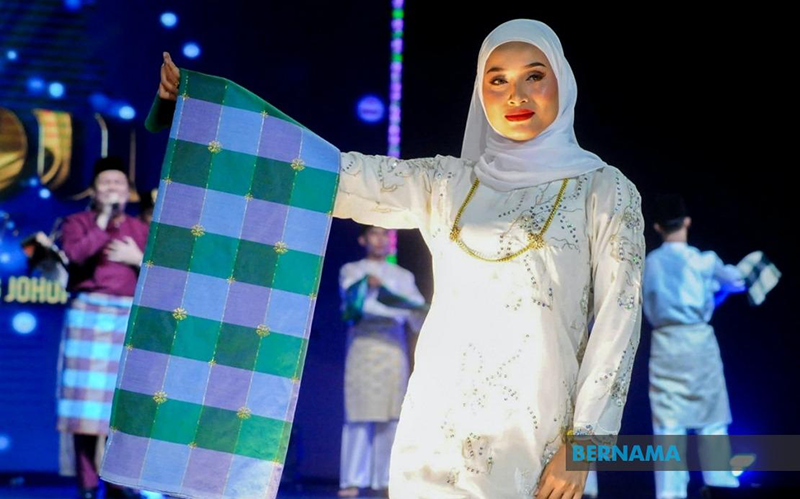
The modern revival of Kain Benang Johor is widely credited to the efforts of Her Majesty Raja Zarith Sofiah, Sultanah of Johor and Queen of Malaysia, together with the Yayasan Warisan Johor.
Through workshops, educational programmes, and dedicated weaving academies, young Malaysians were given opportunities to learn directly from master weavers, training the next generation of artisans.
Today, the looms continue to operate once more, with a new generation of artisans carrying the craft forward and finding new ways to incorporate it into contemporary fashion.
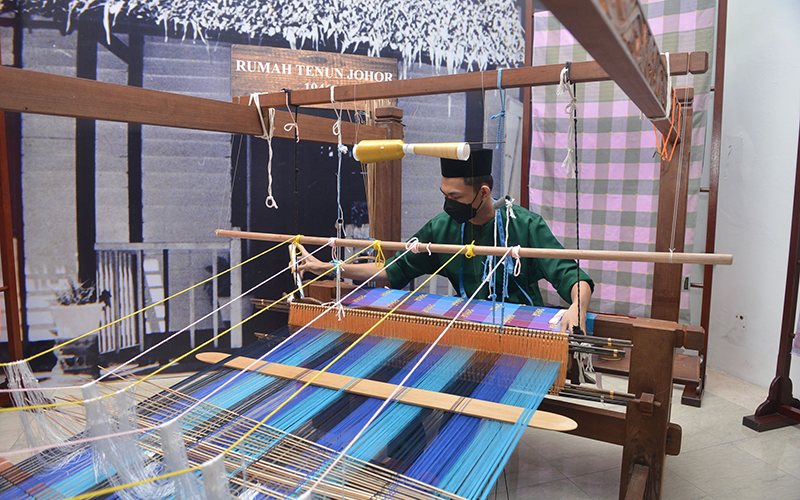
Located in Johor Bahru, the Kompleks Warisan Sultan Abu Bakar serves as the heart of Kain Benang Johor’s preservation and revival.
Within the complex is the Galeri Tenun Johor, where you can:
And unlike the usual tourist T-shirt, what you’ll take home here comes with centuries of history woven into it.

