

Image

Blog

Discover our Berjaya Waterfront Johor Bahru blog – your gateway to captivating destinations, travel tips and remarkable adventures. Discover the best places to travel!
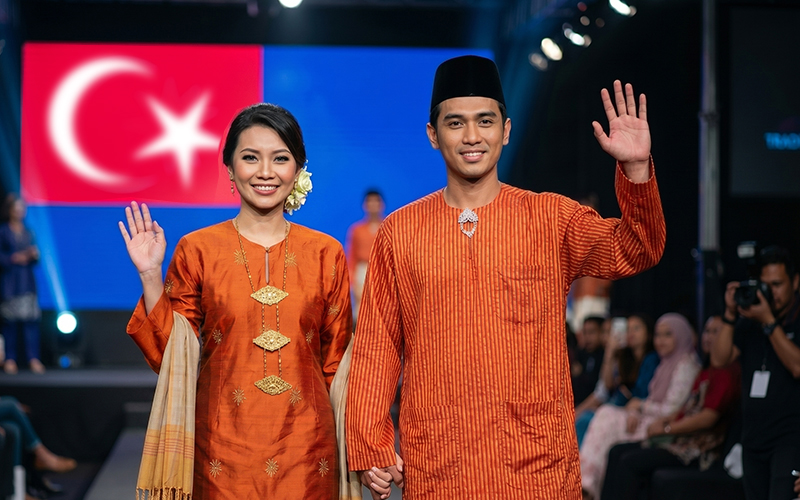
Teluk Belanga - The Baju Melayu Designed by a Johor Sultan

Image

Photo Source : @UiHua Cheah

You wouldn’t expect a Baju Melayu collar to have an origin story, but here we are. 

When you think of traditional Malay dress, the image that most likely comes to mind is the Cekak Musang - that stiff, high-collared Baju Melayu worn at weddings, dinners, and Hari Raya visits. It’s the dominant silhouette of Malay men's fashion today, completely accepted at any formal function.

Except in Johor, where Teluk Belanga is the de facto “state collar” of Bangsa Johor. 

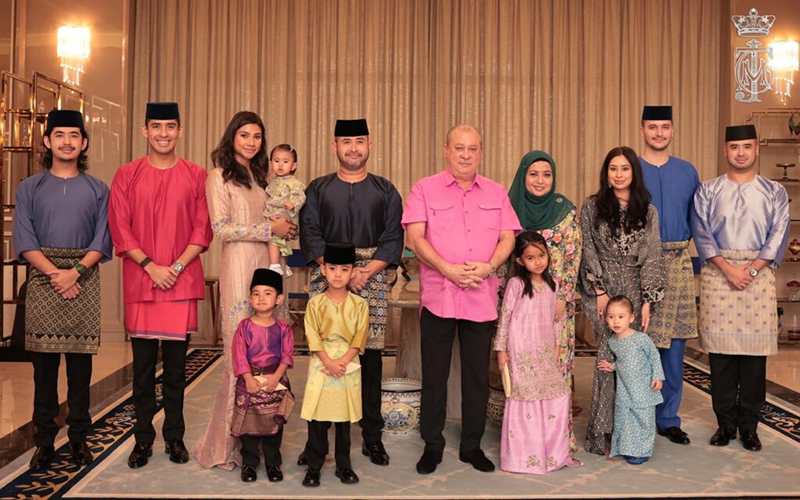
The Baju Melayu Teluk Belanga is the state's official traditional dress, worn by the royal family and state officials to this day. Collarless and understated, it’s one of the few traditional garments in the region that can be traced to a single ruler's decision.

Teluk Belanga was designed to give Johor an identity


Image

Photo source: Berita Harian

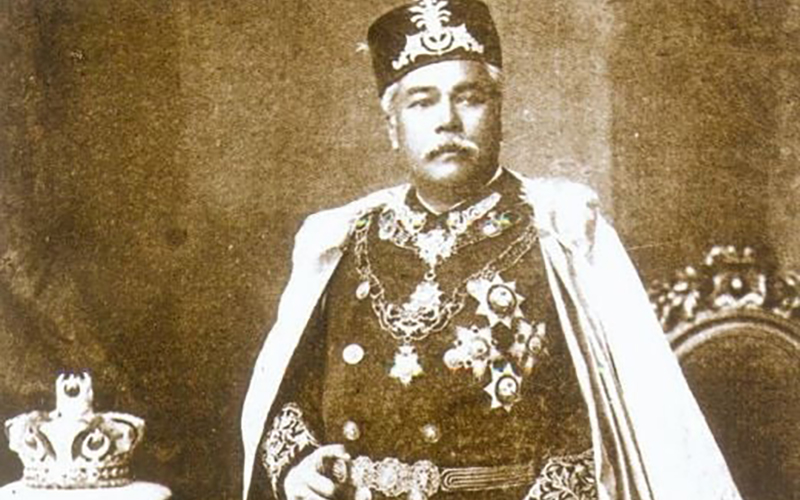
The story of the Teluk Belanga begins in 1866 under the rule of Sultan Abu Bakar, the Father of Modern Johor. 


At the time, the Sultan was overseeing one of the most significant transitions in the state’s history - moving the Johor Sultanate’s seat of power from Teluk Belanga in Singapore to Tanjung Puteri, which we now know as Johor Bahru.

But it wasn’t just administrative. Sultan Abu Bakar saw an opportunity to redefine Johor’s identity.

Malay attire back then wasn’t standardised. Styles varied, and there wasn’t a clear visual identity tied to any one state. So the Sultan introduced a new design that would be distinctly Johorean. He set rules - who could wear it, how it should be worn, and tinkered with the details. He gave Bangsa Johor a uniform.

Even the name “Teluk Belanga” itself is a nod to history, referencing the very place the Johor Sultanate once called home.
Every design choice is a cultural easter egg


Image

Photo Source : @UiHua Cheah

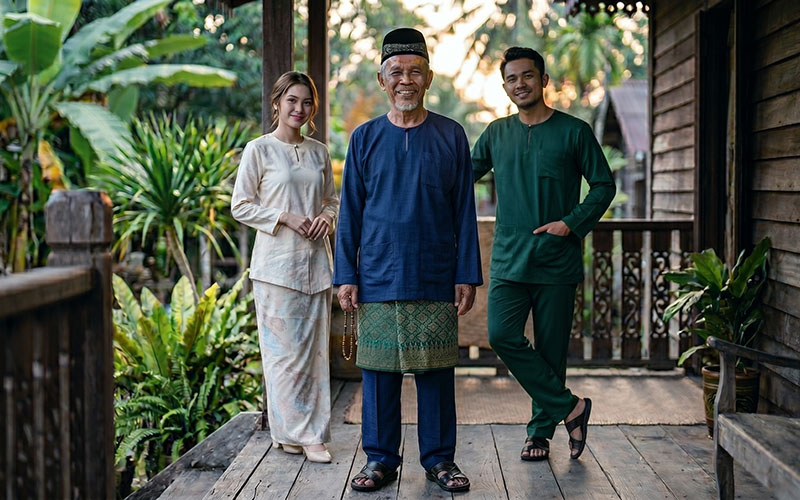
What makes the Teluk Belanga instantly recognisable is what it doesn’t have.

Instead of a stiff collar, it features a round neckline with a short front slit. It’s soft, relaxed, and arguably less formal-looking than its counterparts - a result of Sultan Abu Bakar’s philosophy of elegant simplicity.   

But don’t mistake that simplicity for lack of craftsmanship.

At the neckline sits one of its most distinctive features: the Tulang Belut stitch. This intricate embroidery, resembling the backbone of an eel, strengthens the fabric and prevents fraying. To this day, a proper Tulang Belut stitch cannot be achieved by machines and has to be done by hand. Then there’s the single button, or kancing, that completes the look.
 
The outfit also included other cultural elements, including Seluar Cina (ankle-length trousers) and black European shoes with black socks

Changes were later made to the original design, particularly during the reign of Sultan Ibrahim - Sultan Abu Bakar’s son. 

The shirt itself was originally designed with two pockets at the bottom, but a third chest pocket was added to adjust to the needs of the people. This “need” depends on who you ask. Some say the pockets represent Iman, Islam, and Ihsan. Others will say it was perfect for a pocket watch.

And finally, the samping. In Johor, it’s worn underneath the shirt—a style known as Dagang Dalam. This was another directive from Sultan Abu Bakar, creating a sleeker silhouette that sets Johoreans apart from other regions, although this was also changed over the years.

And yes, there’s a feminine counterpart. The Baju Kurung Teluk Belanga carries the same round neckline and Tulang Belut stitching. Interestingly, the way a woman drapes her kain dagang - the female version of the samping - traditionally signalled her marital status to would-be suitors.

Today, Teluk Belanga is a symbol of Anak Johor


Image

Photo source: TunkuIsmail.com

What may come as a surprise to you is that the Cekak Musang collar also came from Johor - though that is a whole other story on its own. 

During the time of Sultan Abu Bakar and Sultan Ibrahim, the Cekak Musang was reserved for royalty and nobles visiting the palace. Teluk Belanga was the only design that could be worn by commoners. 

In 1982, Sultan Iskandar removed the divide by designating Teluk Belanga as the official attire for the state. What Sultan Abu Bakar started as an act of identity in 1866 had, over a century later, become exactly that.

Johor Bahru has always been a city of crossings - between countries, cultures, and histories. Berjaya Waterfront sits right at one of these crossing points, with ferry connections to Batam and Bintan. 

As you’re driving through, it’s easy to miss Johor’s cultural and historical uniqueness. Everything has a story to tell - even if it’s just a simple clock tower. But if you find yourself at Berjaya Waterfront waiting for your ferry, at least you now know why every Baju Melayu you see doesn’t have a collar.

Image
Your one-stop destination for duty-free shopping, entertainment, and culinary delights.

CONTACT INFO

Berjaya Waterfront Sdn. Bhd. 199001000517 (192075-U)

No. 88 Jalan Ibrahim Sultan, Stulang Laut, 80300 Johor Bahru, Johor, Malaysia.