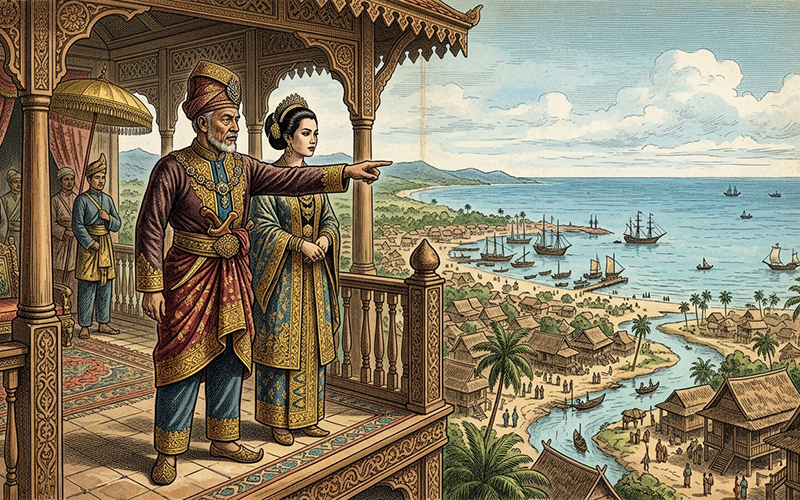

Discover our Berjaya Waterfront Johor Bahru blog – your gateway to captivating destinations, travel tips and remarkable adventures. Discover the best places to travel!
Today, Johor is known for many things - modern cities, island paradises, and some of Malaysia’s most ambitious developments.
But long before Johor became an economic powerhouse, two humble crops quietly laid the foundations for the state’s success: pepper and gambier.
In fact, these two plants were so important that they helped fund a kingdom, shaped entire towns, and left traces that can still be found across Johor today.
The next time you walk through Johor Bahru’s historic district or pass through places like Kangkar Pulai, you’re travelling through the legacy of an industry that once connected Johor to markets across Europe, America, China, and beyond.
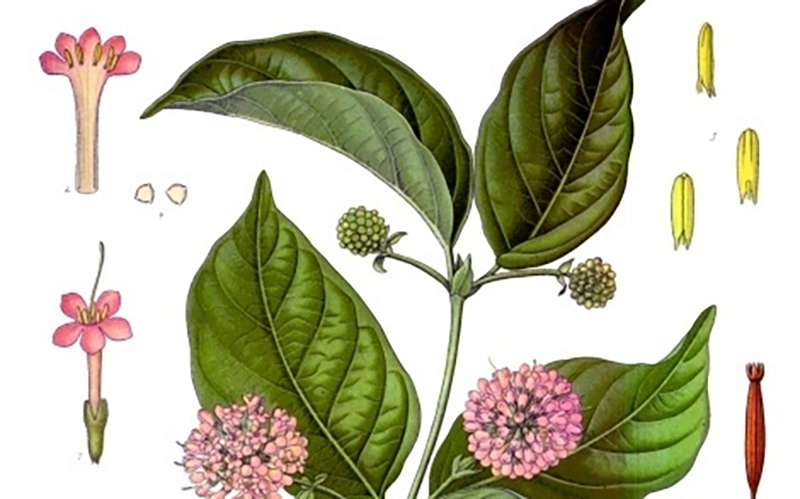
You don’t hear about this crop at all nowadays, but gambier was once a global industrial necessity. Its leaves yielded tannins that were used extensively in leather tanning and textile dyeing. As Europe’s textile and manufacturing sectors expanded, gambier became one of the region’s most valuable agricultural commodities.
On the other hand, pepper needs no introduction. Growing urban populations relied on pepper to flavour food and help preserve meat. As Europe and the United States’ industrial and urban populations grew, both crops became one of Southeast Asia’s most profitable agricultural exports.
It’s extremely fortunate that these two crops actually worked best when grown together - gambier production creates a nutrient-rich byproduct that acts as a natural fertiliser and pesticide for pepper vines.
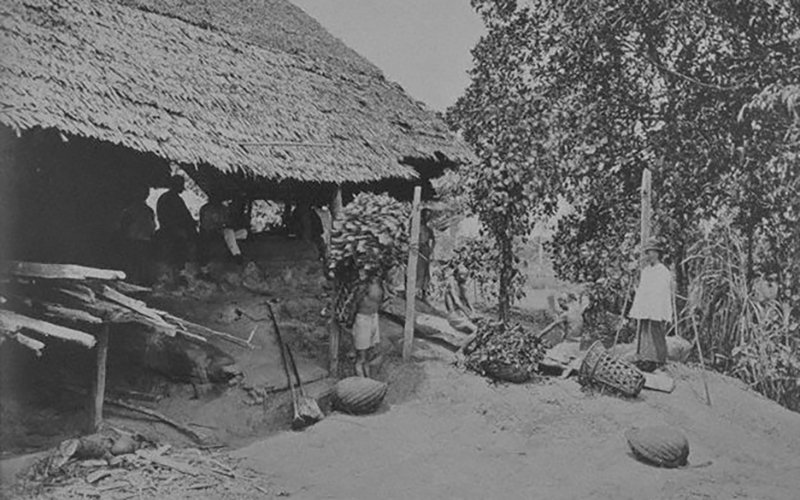
Gambier can severely deplete nutrients in the soil and, by the early 20th century, years of intensive cultivation had taken its toll. At the same time, advances in chemical manufacturing introduced cheaper synthetic dyes that reduced demand for gambier. Plantations moved to new crops like pineapple and oil palm, and gambier and pepper became a chapter in Johor’s history.
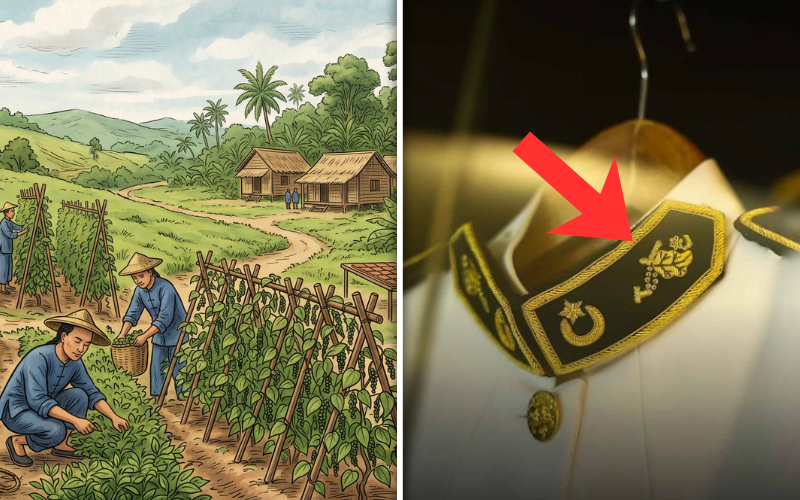
Look closely at some of Johor’s historic landmarks and you’ll find pepper clusters and gambier leaves hidden away like agricultural easter eggs that you can’t unsee, including motifs within Johor state government offices, the Grand Palace, and even street lamps!
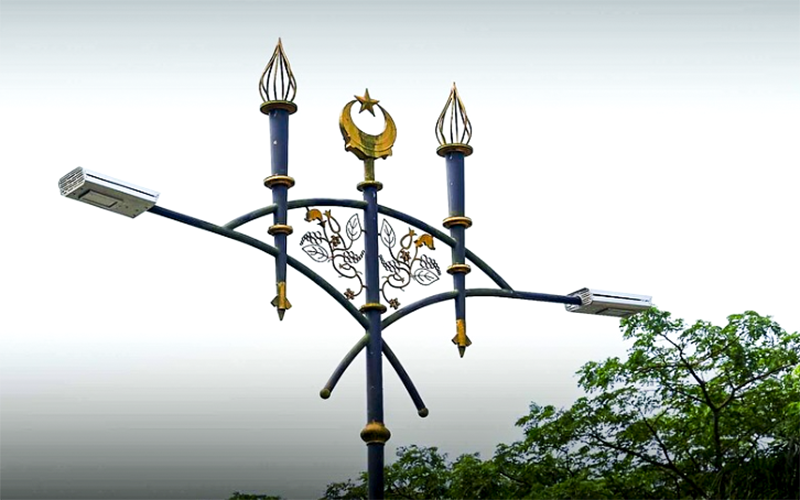
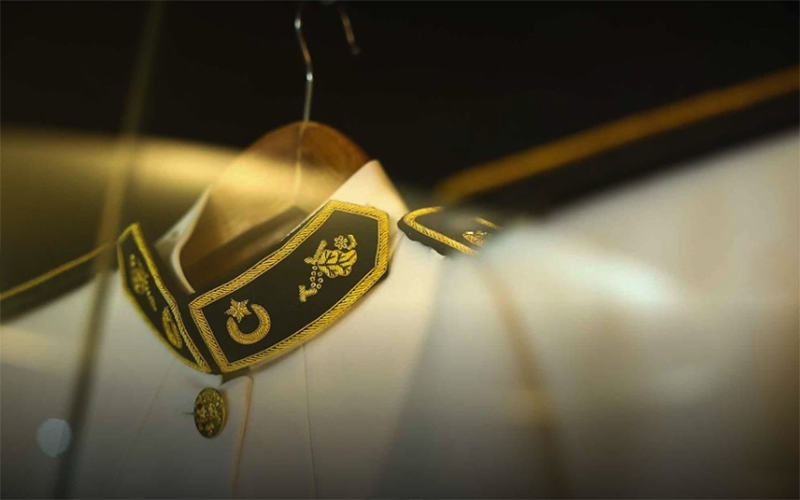
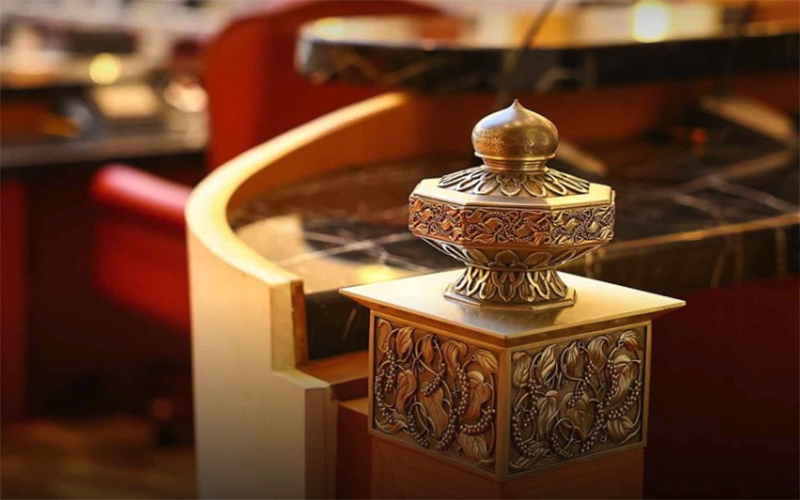
In fact, the pattern on HRH Sultan Ibrahim’s headdress during his installation ceremony as Agong was - you guessed it - pepper and gambier.

… It actually started in Bintan.