
Image

Blog

Discover our Berjaya Waterfront Johor Bahru blog – your gateway to captivating destinations, travel tips and remarkable adventures. Discover the best places to travel!
Penyengat Island: The Tiny Island That Once Ruled the Malay World

Image

Photo Source : @UiHua Cheah

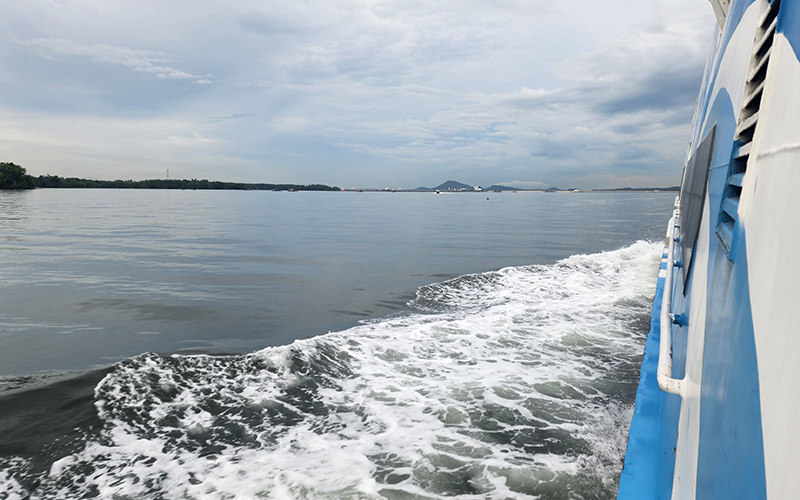
If you believe in the saying that size doesn’t matter, then you need to hop on a ferry at Berjaya Waterfront and make your way to Penyengat Island.

Just 2km long - small enough to circle by motorbike in an afternoon - this tiny island off the coast of Bintan was once a seat of the Johor Empire. If that isn’t enough, it’s also the birthplace of what would become Bahasa Indonesia.

Today, the island quietly carries its history. Old mosques and crumbling fort walls stand alongside folk tales and legends eagerly shared by the locals. If you’re open to history with a touch of adventure, it is one of the most rewarding detours you can make.

Penyengat Island was a royal seat of the Johor Empire


Image

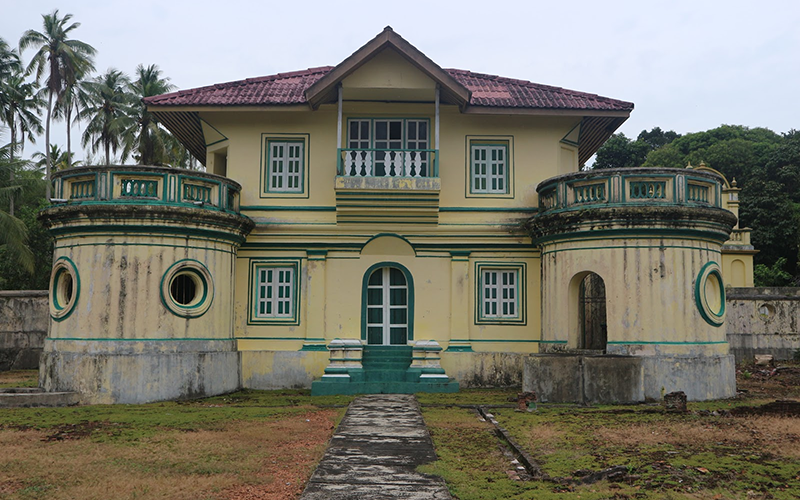
Istana Ali Mahrum Kantor. Photo Source: Kekunaan

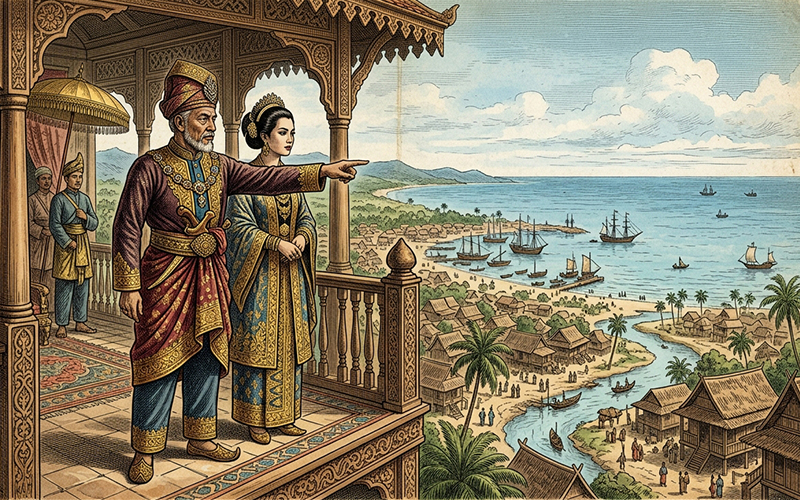
The island's status as a royal seat literally began as the ultimate wedding gift. 


As a short history lesson, the Johor Empire used to include Pahang, Riau, and several islands that are now part of Indonesia - called the Johor-Pahang-Riau-Lingga Sultanate.


In 1803, Sultan Mahmud Shah III of Johor gave Penyengat Island to Raja Hamidah, his new wife of Bugis lineage, as a dowry. When the sultan separated the administration of his kingdom into Malay and Bugis spheres, the administration of Riau went to Raja Hamidah’s brother, Raja Jaafar, who developed Penyengat Island as the administrative centre of their side of the kingdom. 


Today, many structures still stand as evidence of its strategic and royal importance.


Places to visit:


Istana Ali Marhum Kantor - 19th-century residence and administrative office of Raja Ali bin Raja Jaafar, combining classic Malay architecture with colonial influences.


Bukit Kursi Fort - Built to fend off Dutch invaders, the fort was considered one of the best fortresses in its day. Cannons are still positioned at the ready, overlooking the sea. 

Royal Tombs - The tombs of Raja Hamidah, Raja Ali Haji, and other important historical figures buried on the island.

It was known as the Gateway to Mecca


Image

The Sultan Riau Grand Mosque. Photo source: Pemerintah Kota Tanjung Pinang

Before air travel, Muslims journeyed to Hajj by sea. For pilgrims from much of Riau, Penyengat Island was both a spiritual and logistical stopover. 

As the administrative centre of Riau, Penyengat Island was also its religious heart. Raja Jaafar invited religious figures and Arab visitors to the island, making it a hub for Islamic studies and Quranic recitations.   

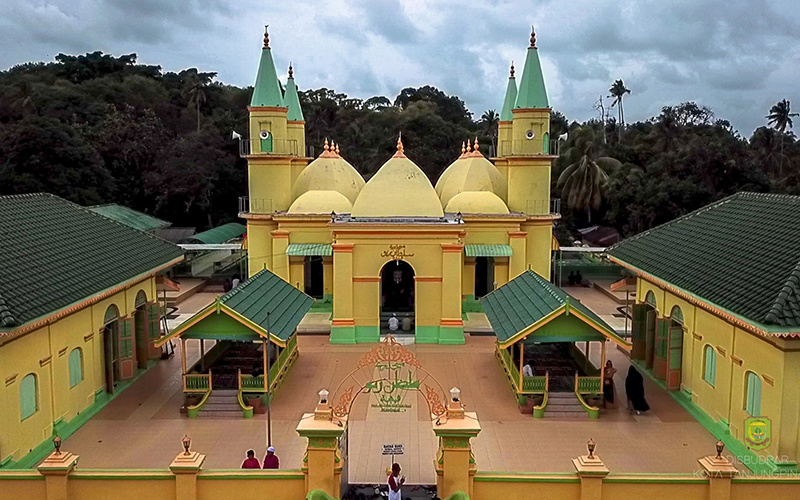
But perhaps it was the Grand Mosque that made the island a pivotal stop for pilgrims embarking on the most important spiritual journey of their lives. According to local tradition, when the sultan married, his subjects gifted so many eggs in celebration that the surplus egg whites were mixed into the mortar alongside lime and sand. The result is a building that has outlasted almost everything around it. 

The mosque is still in active use today, and inside, visitors can find a handwritten Quran said to be centuries old.

Places to visit:

The Sultan Riau Grand Mosque - Open to visitors, though all guests are advised to dress appropriately.

The Indonesian language was born on Penyengat Island


Image

Photo source: MimbarKata

Arguably, Penyengat Island's most enduring contribution to the wider world is something you’ll hear rather than see. 

This was the home and workplace of Raja Ali Haji (1808–1873), a scholar, poet, and historian who is today recognised as Bapak Bahasa Indonesia - the Father of the Indonesian Language.

Born on the island and educated in the sultanate's court, Raja Ali Haji wrote many works that eventually formed the basis of Bahasa Indonesia. Among his more notable works is Bustan al-Kathibin, essentially the first grammar book of the Malay language which details how Riau-Johor Malay should be written and structured.

When Indonesian nationalists were looking for a national language in the early 20th century, they chose the Riau-Johor Malay standardised by Raja Ali Haji because it was considered the "purest" and most structured version.

Places to visit:

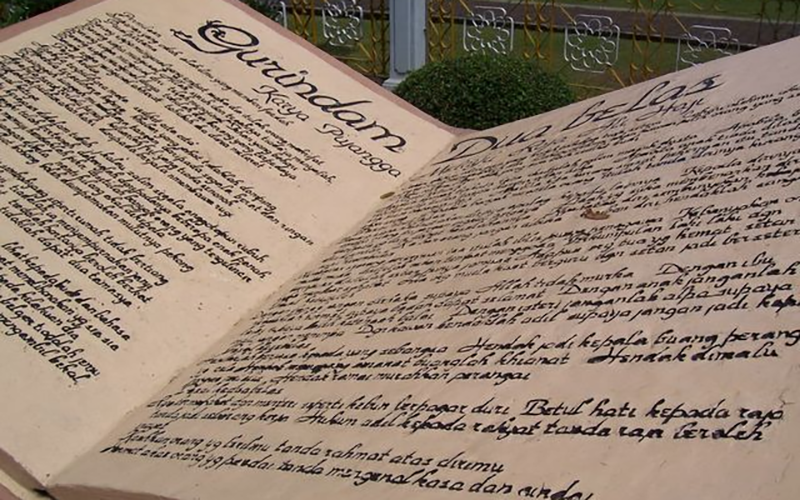
Raja Ali Haji’s tomb - A grand structure engraved with passages from Gurindam Dua Belas, a poem he wrote on Islamic ethics.

But why is it named Penyengat Island?


Image

Photo Source : @UiHua Cheah

Considering its status and significance, you might be wondering… why call it Penyengat, of all things? Pulau Penyengat roughly translates to “Stinger Island” or “Wasp Island” and, yes, there is a reason for the name. 

According to local folklore, the island used to be a stop for sailors to replenish their supply of fresh water, on the condition that they didn’t disrespect the local superstitions. Sure enough, a group of sailors who did just that were driven off by swarms of stinging insects - and that warning was considered useful enough to preserve in the form of the island's name.

Perhaps more fittingly, it's a name that suits an island that left a mark on Indonesian history. 

Places to visit:

Balai Adat -  A replica of a traditional Malay stilt house that showcases Malay customs and culture, including royal regalia and silat performances. 

Perigi Putri -  Ancient freshwater wells used by the royal household. Local lore holds that they have never run dry, even in severe drought.

Your gateway to Batam and Bintan - Berjaya Waterfront


Image

Photo Source : @UiHua Cheah

Much like how Penyengat Island was the gateway to the outside world, Berjaya Waterfront is your gateway to a holiday of many possibilities. 

Whether it’s visiting history-heavy locations like Penyengat Island, architectural marvels like Barelang Bridge, or simply a chill holiday with beaches and seafood; it all starts with a ferry ride from Berjaya Waterfront. 
Image
Your one-stop destination for duty-free shopping, entertainment, and culinary delights.

CONTACT INFO

Berjaya Waterfront Sdn. Bhd. 199001000517 (192075-U)

No. 88 Jalan Ibrahim Sultan, Stulang Laut, 80300 Johor Bahru, Johor, Malaysia.